
The simplest form of any chord is a triad. A triad by definition is a set of three notes stacked vertically in thirds; in this example, we are talking about a major triad, which refers to the root, third, and fifth of the chord as seen in this diagram.
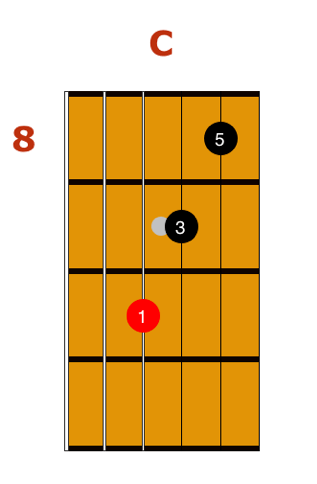
A Triad is created using a scale, and taking the 1st, 3rd, and 5th interval. The triad above is a C Major Triad, consisting of the intervals C, E, G. You can use this same formula with any major chord. For example, using the root note F, we can determine that the third is A, and the fifth is C. All you have to do afterwards, is find those notes on the fretboard and you have successfully created a triad.
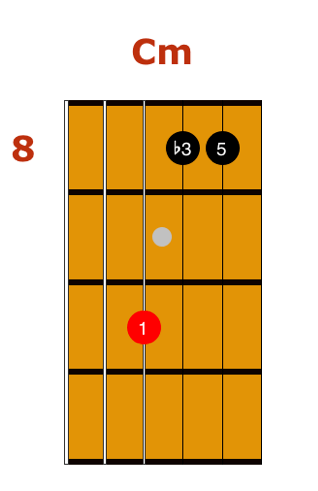
There are four types of triads: Major, Minor, Augmented, and Diminished Triads. For this part, we are going to use a Major Triad as a reference. So a Minor Triad is made up of the root, minor third, and fifth. In terms of a major triad, all we need to do is make the third of the chord flat.
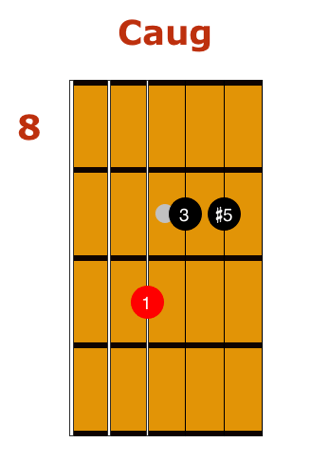
The next triad is an augmented triad, made up the root, third, and sharp fifth. The process become simple once you get used to it. Just start with a major triad, and raise the fifth by one fret, or a half step.
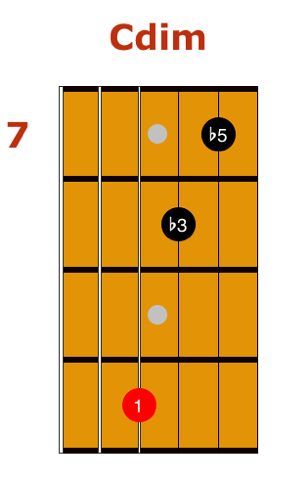
The last triad you should be familiar with is the diminished triad. This one involves the root, flat third, and flat fifth. Use a major triad, and bring the third and fifth down by a half step to get a diminished triad.
 Guitar: A Divergent Path